 MYSTIC ROSE
Traditions · Jewish New Year · 12 September 2026 · 3 min
Rosh Hashanah 5787: Welcoming the Jewish New Year
A time of reflection, renewal and hope for a good and sweet year.
Today, Saturday, September 12, 2026, marks the first day of Rosh Hashanah, the Jewish New Year, corresponding to the 1st of Tishrei in the Hebrew year 5787. The festival began at sundown on Friday, September 11, and continues until nightfall on Sunday, September 13.
The Head of the Year
Rosh Hashanah, which means “head of the year” in Hebrew, is one of the most significant observances in the Jewish calendar. It commemorates the creation of Adam and Eve and is traditionally regarded as the birthday of the world. More than a simple new-year celebration, it is a day of reflection, judgment, and renewal — known also as Yom HaDin (the Day of Judgment) and Yom HaZikaron (the Day of Remembrance).
Together with Yom Kippur ten days later, Rosh Hashanah forms the Yamim Nora’im, the Days of Awe or High Holy Days. These ten days invite introspection: reviewing the past year, seeking forgiveness, repairing relationships, and setting intentions for the year ahead. The central prayer of the season asks that we be inscribed in the Book of Life for a good year.
Key Observances
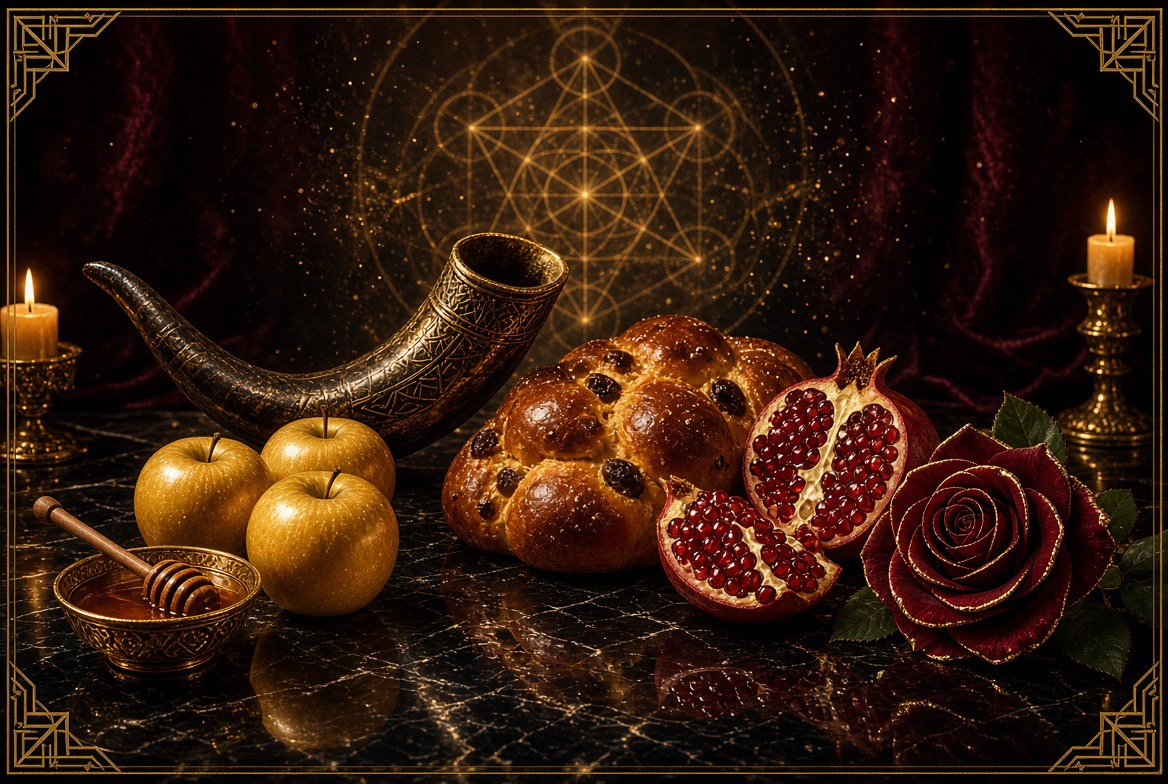
The most distinctive ritual is the sounding of the shofar, a ram’s horn. Its blasts — tekiah, shevarim, and teruah — serve as a spiritual wake-up call, stirring the soul to return and awaken. Because the first day of Rosh Hashanah 5787 falls on Shabbat, the shofar is not sounded on Saturday; it is blown on the second day, Sunday, September 13.
Festive meals feature foods that express hope for a sweet and abundant year:
- Apples dipped in honey
- Round challah (often studded with raisins), symbolizing the cycle of the year
- Pomegranates, whose many seeds represent wishes for many merits
- Other symbolic dishes such as fish heads, carrots, and dates, depending on family and community custom
Candle lighting, special prayers, and the festive kiddush over wine open each evening of the holiday. Many also observe Tashlich, the symbolic casting of sins into flowing water, usually on the afternoon of the first day (or the second day when the first falls on Shabbat).
Greetings and Wishes
The traditional greeting is Shanah Tovah (“A good year”) or the fuller L’Shanah Tovah Tikatevu (“May you be inscribed for a good year”). Many add u’metukah — “and sweet.”
A Time of Return
Rosh Hashanah is less about revelry and more about teshuvah — return. It is an invitation to pause, look honestly at one’s life, and realign with what matters most. Whether observed in synagogue, at a family table, or in quiet personal reflection, the day carries a universal resonance: the possibility of beginning again.
As the new Hebrew year 5787 opens, the ancient call of the shofar — delayed this year until Sunday — still echoes the same message across centuries: wake up, return, and choose life.
Shanah Tovah. May the year ahead be good, sweet, and full of light.
Editorial note: Factual claims are separated from symbolic interpretation. Mystic Rose is independent of the organisations discussed.